
How Handicapping the Kentucky Derby is Different Than Other Races
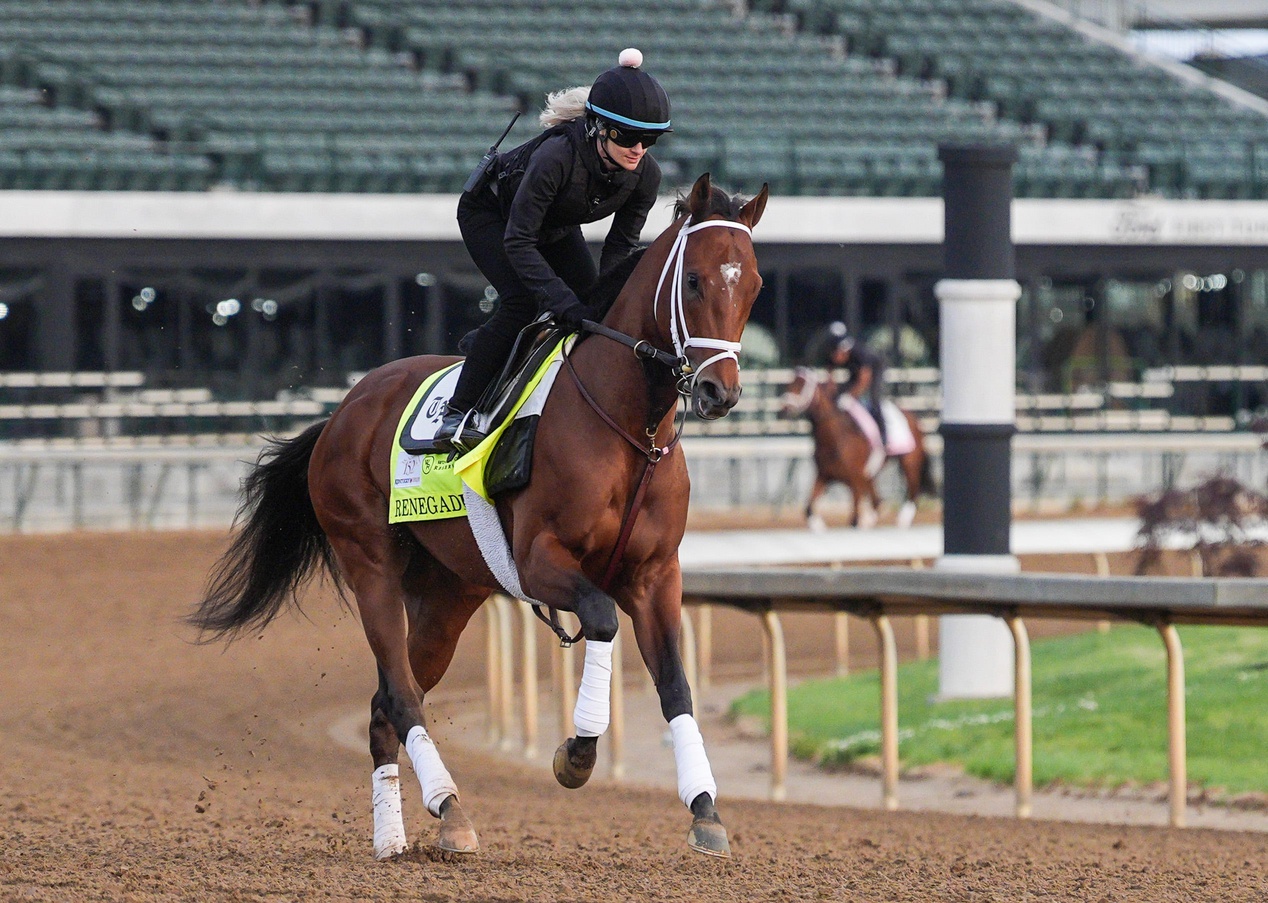
The Kentucky Derby holds a special place in American sports as the first jewel of the Triple Crown and one of the most anticipated events on the racing calendar. Handicapping any major stakes race requires careful study of speed figures, form cycles, and class levels. Yet, the Derby demands adjustments that set it apart from events such as the Preakness Stakes, Belmont Stakes, or Breeders' Cup races. The differences stem from the race's scale, the relative inexperience of its participants, and the tactical demands created by its unique conditions. Understanding these distinctions helps bettors move beyond generic handicapping approaches and tailor their analysis to the specific demands of Churchill Downs on the first Saturday in May.
Get expert sports picks for every league and nearly every matchup on Doc’s free picks page.
A Larger Stage With Larger Obstacles
The Kentucky Derby operates on an entirely different level than most other major stakes races. While prestigious events like the Breeders' Cup Classic or the Haskell Invitational typically feature fields of eight to twelve horses, the Derby regularly fills to its maximum of twenty starters. This larger field size transforms the race from a straightforward speed-and-class contest into a chaotic battlefield where traffic, post position, and breaking cleanly from the gate can decide the outcome as much as raw talent. In smaller fields found in other stakes, horses enjoy more room to establish position early without constant bumping or being forced wide on the turns. The Derby's crowded conditions amplify every tactical error. A horse stuck behind a wall of rivals or forced to circle the field loses valuable ground that is difficult to recover over the one‑and‑a‑quarter‑mile distance.
The sheer magnitude of the event also changes the psychological and logistical landscape. Trainers, jockeys, and owners face heightened media scrutiny and public pressure that are rarely seen in other graded stakes races. This bigger stage can lead to horses performing above or below expectations simply because the environment differs so markedly from the prep races that qualified them. Post‑position bias becomes more pronounced here than in most other races, with inside draws historically offering a clearer path to the rail. Handicappers must therefore weigh not only the horses' abilities but also how the large field will likely fragment the race into leaders, stalkers, and closers. The result is a contest where standard class ratings used successfully in smaller stakes races often require heavier discounting.
Why Past Performances Require a Different Lens
Past performance remains a cornerstone of handicapping any stakes race, yet its weight shifts noticeably when evaluating the Kentucky Derby. In many other major events, handicappers can rely on a deeper body of work from seasoned campaigners who have raced multiple times at the stakes level against similar competition. A horse entering the Breeders' Cup Dirt Mile, for instance, often brings a clear record of wins or consistent placings at the graded‑stakes level over several months or even years. The Derby, by contrast, features three‑year‑olds whose careers are still relatively short. Most contenders arrive with only five to eight lifetime starts, many of them against varying levels of competition in regional prep races.
Those prep races provide valuable data points, but they rarely mirror the Derby's exact demands. A dominant performance in the Florida Derby or the Arkansas Derby offers insight into current form. Yet those races occur at different tracks and distances, and against fields that may not overlap much with the Derby lineup. Handicappers cannot simply transfer Beyer Speed Figures or Brisnet ratings from prep races without adjustment. The Derby's unique surface at Churchill Downs, the added distance, and the massive crowd noise introduce variables that past performances alone cannot fully capture. Pedigree analysis for stamina, trainer patterns at the Derby, and recent workout quality therefore gain extra importance. A horse that looked brilliant in a shorter prep might lack the necessary foundation for the Derby's testing mile‑and‑a‑quarter journey, while another with modest recent figures could be improving at the right time. In short, past performance serves as a guide rather than gospel when handicapping the Run for the Roses.
How Running Styles Shape the Derby More Than Other Stakes
Running style takes on heightened significance in the Kentucky Derby compared with other major stakes races because the large field dictates a more complex pace scenario. In smaller fields typical of the Preakness or Belmont, a confirmed front‑runner can often set a moderate pace and maintain control throughout. The Derby's twenty‑horse pack frequently produces a faster early tempo as several speed types vie for the lead or early position. Early‑speed horses risk burning out by the far turn, while deep closers may find themselves too far behind to mount a realistic challenge even if they finish with a strong late kick.
Successful Derby handicappers, therefore, focus on projected pace and how each horse's preferred style fits the expected race shape. Stalkers and mid‑pack runners that can rate comfortably behind the early leaders often hold the tactical edge. They avoid the trouble that plagues front‑runners while remaining close enough to strike when the leaders tire. Historical Derby results reinforce this pattern: pure speed horses rarely sustain their advantage in the large field, whereas versatile types capable of sitting just off the pace have produced more winners. This emphasis on style differs from many other stakes, where a dominant front‑runner or a dramatic closer can prevail more predictably because fewer horses compete for the same running lanes.
Jockey decisions also matter more here. A rider must judge the pace accurately amid the traffic, something that is simpler to execute in a field of ten or fewer. Handicappers who ignore these style considerations and rely solely on raw speed figures often find themselves surprised when a lightly regarded mid‑pack horse surges past tiring leaders in the stretch. Adjusting for running style, therefore, becomes one of the most reliable ways to separate contenders from pretenders on Derby day.
Why the Derby Demands a Customized Handicapping Approach
In the end, handicapping the Kentucky Derby requires blending traditional tools with an appreciation for the race's singular demands. The bigger stage and larger field create chaos not found elsewhere. Past performances must be interpreted with caution, given the horses' youth and limited experience. And running styles emerge as the decisive factor that can turn a solid horse into a winner or expose vulnerabilities that smaller stakes races might overlook. Bettors who adapt their approach to these realities stand a better chance of solving the puzzle that makes the Kentucky Derby the most challenging and rewarding race to handicap on the annual calendar.
Get free expert sports picks on every game, or if you want our very best bets by the experts, sign up for your free $60 account with a guarantee.
Most Recent Kentucky Derby Picks and Predictions
- Kentucky Derby Winners
- 2026 Kentucky Derby Post Positions Analysis and Expert Handicapping
- Emerging Market Odds to Win the Kentucky Derby with Expert Predictions
- Best Trifecta Bets for the Kentucky Derby 2026
- 2026 Kentucky Derby Predictions and Recommended $100 Wager
- 2026 Kentucky Derby Betting Trends and Expert Handicapping
- Chief Wallabee Odds to Win the Kentucky Derby with Expert Predictions
- The Puma Odds to Win the Kentucky Derby with Expert Predictions
- Handicapping the 2026 Kentucky Derby Trainers
- Commandment Odds to Win the Kentucky Derby with Expert Predictions