
NCAA Tournament Seed History and Trends
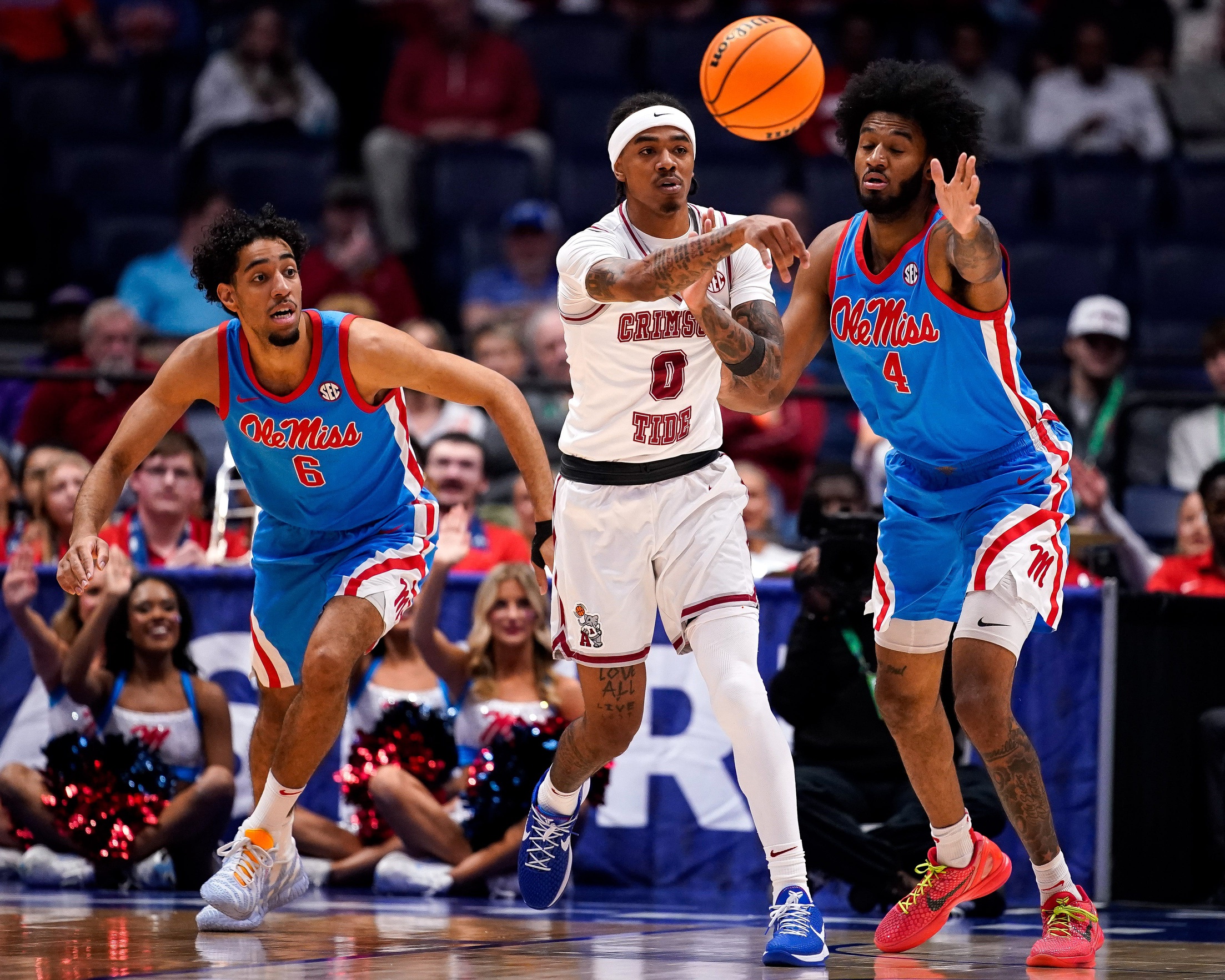
The NCAA Basketball Tournament stands as one of the most thrilling events in college sports, built on a single‑elimination format that delivers nonstop drama and constant potential for surprises. Commonly called March Madness, it brings together top programs from across the country through regular-season performance and conference tournaments, with some teams earning automatic bids and others selected by the Selection Committee on Selection Sunday. This structure creates direct clashes between teams of varying strengths and gives lesser‑known squads real opportunities to make unexpected runs. All of this is part of the seeding process, the system that organizes the field, determines every matchup, and shapes the path each team must navigate.
Doc’s Sports offers college basketball expert picks for every game on our NCAA basketball predictions page.
History of March Madness Seeding
Seeding has not always been the structured system fans recognize today. When the tournament began in 1939, the field was small, and teams were placed mostly by geography rather than competitive balance. As the event expanded through the 1950s and 1960s, regional placement still dominated, often creating uneven matchups and limiting the potential for true underdog stories. The turning point came in 1979, when the NCAA introduced official seeding to reward strong regular‑season performance and create a more balanced bracket. The field continued to grow, reaching 64 teams in 1985, establishing the familiar layout of four regions seeded 1 through 16 and setting the stage for the classic upset patterns that define March Madness.
Further evolution came in 2001 with the introduction of the play‑in game, designed to accommodate an additional automatic bid without disrupting the bracket structure. The tourney expanded again in 2011 with the creation of the First Four, a set of four play‑in matchups that determine the final teams in the field. These games added another layer of competition and gave bubble teams a final chance to earn their place in the main bracket.
As the tournament matured, the criteria behind seeding became more detailed. The Selection Committee began weighing the strength of schedule, quality wins, and overall résumé to distinguish between closely matched teams. Tools like the RPI and later the NET rankings helped standardize comparisons across conferences, giving the committee clearer data to work with. Teams still spend the entire season building their case, battling through regular‑season schedules and conference tournaments to strengthen their position. At the same time, Selection Sunday delivers the emotional reveal that sets the bracket in motion.
Over time, this approach has evolved into a respected system that maintains fairness and fuels fan interest. By organizing teams into regions and defining their paths, the process creates a dynamic tournament structure that allows for both expected outcomes and dramatic upsets. All of this forms the seeding process, the framework that guides how the tournament unfolds and sets the stage for the chaos fans wait for every March.
The Final 4 is not all 1-seeds—usually
It has happened only twice since seeding began in 1979, first in 2008 with Kansas, Memphis, UCLA, and North Carolina, and again in 2025 with Auburn, Duke, Houston, and Florida. Those two tournaments stand out as rare moments when every top seed advanced to the final weekend, underscoring how difficult it is for all four No. 1 seeds to reach it.
Only Two Tournaments Have Reached the Sweet 16 Without a Double‑Digit Seed
The 1995 and 2007 tournaments are the only seasons in the 64‑team era in which every Sweet 16 team came from the top nine seed lines, making them rare exceptions in a format that almost always sends at least one double‑digit seed into the second weekend.
Only One Double‑Digit Seed Has Ever Reached the Final Four
No. 11‑seed VCU's 2011 run remains the lone breakthrough by a double‑digit seed, a true Cinderella charge built on momentum and matchup success that finally struck midnight in a 70–62 loss to Butler. It stands as the only example of its kind in more than forty years of the expanded‑bracket era.
Only One First Four Team Has Ever Reached the Final Four
VCU remains the lone team to turn a First Four start into a Final Four finish, beginning its run with a 59–46 win over USC before the same Rams carried that momentum all the way to the national semifinals.
Get college basketball picks on every single game, or if you want our very best bets by the experts, sign up for your free $60 account with a guarantee.
Most Recent March Madness Betting
- 2026 Final Four Props with Best Bets, Odds and Predictions
- 2026 MOP Betting Odds and Predictions for the March Madness Most Outstanding Player
- 2026 March Madness Final Four Best Bets and Expert Betting Predictions
- 6 Role Players Who Took Over March Madness
- Sweet 16 Bracket Picks: Mapping Out the Eventual National Champion
- Sweet 16 Best Bets ATS
- March Madness Heroes Noone Talks About Anymore
- 2026 March Madness Bracket Predictions: Midwest Region
- March Madness Bracket Help: Finding First Round Upsets
- 2026 March Madness Bracket Predictions: South Region