
2026 Kentucky Derby Betting Tips: 3 Bits of Advice to Help Win Bets Saturday
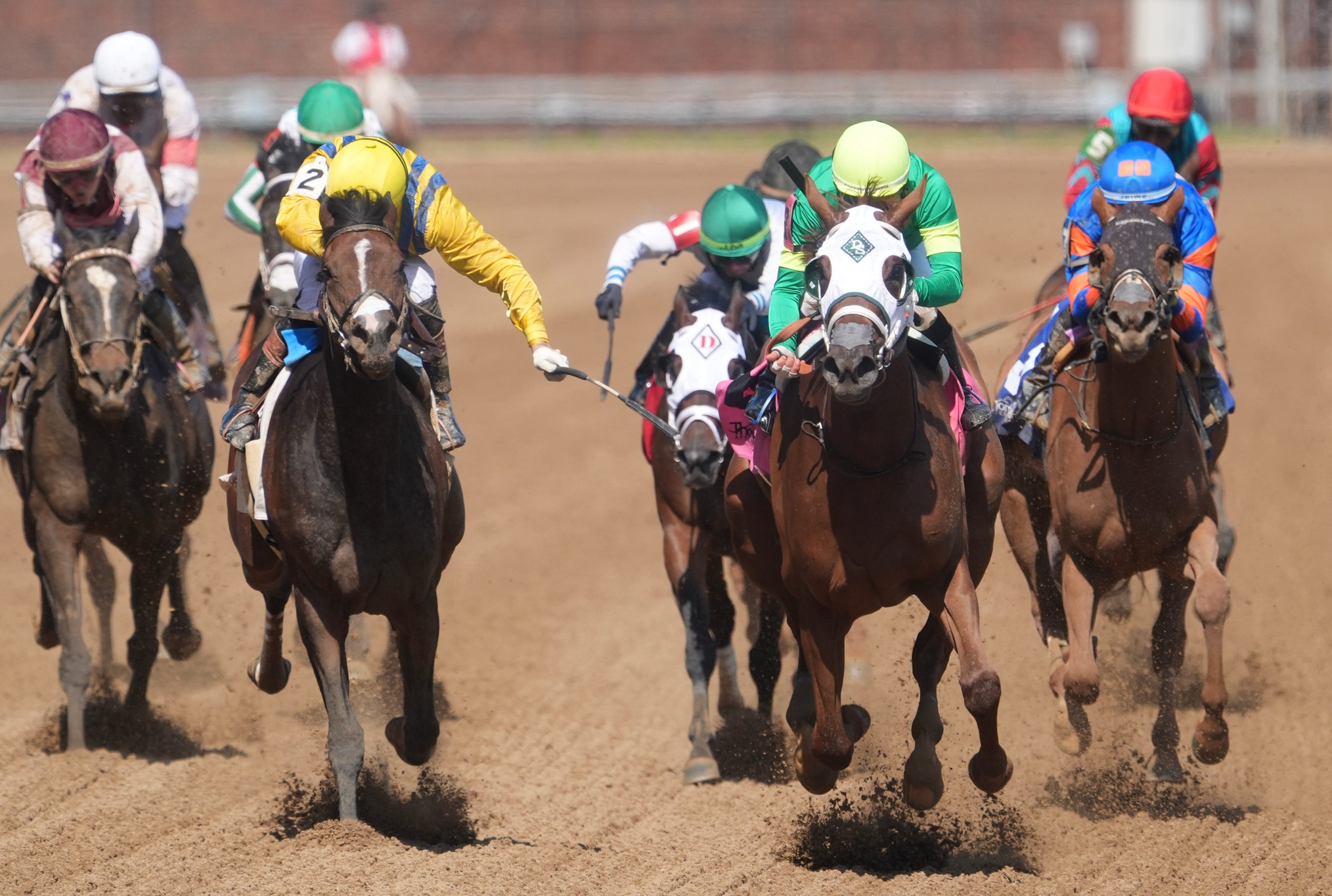
The Kentucky Derby stands alone as the most unpredictable and exciting race on the American calendar. With a maximum field of 20 three-year-olds contesting one and one-quarter miles at Churchill Downs, standard handicapping methods that work well in smaller stakes races often fall short. Bettors must adapt their approach to the Derby's unique demands, including its massive field size, the relative youth of the competitors, and the intense pressure of the event itself. While no tip guarantees a winning ticket, focusing on three critical areas can dramatically improve a handicapper's edge. These strategies emphasize the factors that set consistent Derby contenders apart from the rest of the pack.
Get expert sports picks for every league and nearly every matchup on Doc’s free picks page.
Master the Post Position Puzzle
Post position is one of the most underappreciated yet decisive elements in Derby handicapping. Unlike most other major stakes races that feature fields of eight to twelve horses, the Derby's full gate of twenty creates a traffic nightmare from the moment the gates open. Horses breaking from the inside posts, particularly one through eight, historically enjoy a significant advantage because they can secure a rail-saving trip without expending extra energy to reach a comfortable position. Outside posts, by contrast, often force horses wide on the first turn and again on the far turn, adding dozens of feet to their journey and increasing the chance of being carried even wider by traffic.
Handicappers should begin their analysis by mapping each horse's expected running style against its assigned post. A confirmed closer drawn in post nineteen or twenty faces an almost impossible task of making up ground through a wall of rivals. In contrast, a versatile stalker in post four or five can settle into a perfect spot with minimal interference. Historical Derby charts reveal that inside posts produce winners at a higher rate than random chance would suggest, especially when combined with a horse capable of rating just off the early pace. Bettors who ignore post position and rely solely on morning-line odds or raw talent often find themselves holding losing tickets on horses that could not overcome a poor draw. Adjusting for this factor requires studying the daily track bias at Churchill Downs during Derby week and projecting how the large field will bunch up early in the race. When two horses appear evenly matched on paper, the one with the better post should receive the nod every time.
Dig Deeper into Pedigree and Stamina Indicators
Speed figures and recent form provide a solid starting point for any stakes race. Still, the Kentucky Derby demands a heavier emphasis on pedigree and the ability to handle the classic distance. Most Derby contenders enter the race with limited experience at a mile and a quarter, and many of their prep races occur at shorter distances or on different surfaces. A flashy win in the one-mile Florida Derby or the one-and-one-eighth-mile Arkansas Derby may look impressive. Yet, it does not automatically translate to success when the distance stretches and the pace quickens in a crowded field.
Successful handicappers cross-reference each horse's sire and dam lines for stamina influences. Offspring of routers known for producing classic-distance performers tend to improve as the ground lengthens, while sprinter-bred types often fade in the final furlong. Beyond bloodlines, recent workout patterns and breeze times at Churchill Downs offer clues about a horse's readiness for the added distance. A colt that has been training sharply over the Derby surface and showing stamina in longer gallops deserves extra credit. Handicappers should also review how each horse finished its final prep race. Did it rally strongly to the wire, or did it tire noticeably in the stretch? Those subtle signs of stamina or fatigue become magnified on the biggest stage. By elevating pedigree and distance suitability above pure speed ratings, bettors avoid the common mistake of overvaluing horses that looked fast in shorter races against weaker competition.
Evaluate the Experience of Trainers and Jockeys
The human element plays a larger role in the Kentucky Derby than in nearly any other graded stakes event. Trainers and jockeys who have succeeded on this stage bring invaluable knowledge about navigating the unique chaos of a twenty-horse field, managing the pre-race atmosphere, and making split-second tactical decisions under pressure. A first-time Derby trainer, no matter how talented, faces a steep learning curve that can cost valuable ground or poor ride timing. In contrast, repeat participants often exhibit patterns that handicappers can exploit.
Look for trainers with a proven record of placing horses in the Derby top three or delivering surprise winners from mid-pack. Their ability to peak a horse exactly on the first Saturday in May and to prepare it mentally for the massive crowd sets them apart. Similarly, jockeys with multiple Derby victories or high place rates understand the importance of saving ground early and timing their moves precisely when the leaders begin to tire. A veteran rider aboard a live longshot can sometimes outperform a top apprentice on a heavily favored horse simply through superior course knowledge. Handicappers should review each connection's Derby history, noting not only win percentages but also how often they have overcome poor posts or unfavorable pace scenarios. When a horse with solid but not spectacular form lines up under a Derby-winning jockey for a trainer who knows how to win the race, its chances improve noticeably.
These three tips work together to create a more complete picture of each contender. Post position sets the physical boundaries of the trip, pedigree determines whether the horse can sustain its effort over the full distance, and the experience of the connections often decides whether small advantages are converted into victory. By systematically applying these filters rather than scattering attention across dozens of minor factors, handicappers can narrow a chaotic twenty-horse field into a manageable group of live contenders. The Kentucky Derby will always remain challenging, yet bettors who prioritize post position, stamina, and seasoned connections give themselves the best possible shot at cashing tickets on America's greatest race.
Get free expert sports picks on every game, or if you want our very best bets by the experts, sign up for your free $60 account with a guarantee.
Most Recent Kentucky Derby Picks and Predictions
- Kentucky Derby Winners
- 2026 Kentucky Derby Post Positions Analysis and Expert Handicapping
- Emerging Market Odds to Win the Kentucky Derby with Expert Predictions
- Best Trifecta Bets for the Kentucky Derby 2026
- 2026 Kentucky Derby Predictions and Recommended $100 Wager
- 2026 Kentucky Derby Betting Trends and Expert Handicapping
- Chief Wallabee Odds to Win the Kentucky Derby with Expert Predictions
- The Puma Odds to Win the Kentucky Derby with Expert Predictions
- Handicapping the 2026 Kentucky Derby Trainers
- Commandment Odds to Win the Kentucky Derby with Expert Predictions