
2026 Belmont Stakes Pace Scenario and Expert Handicapping
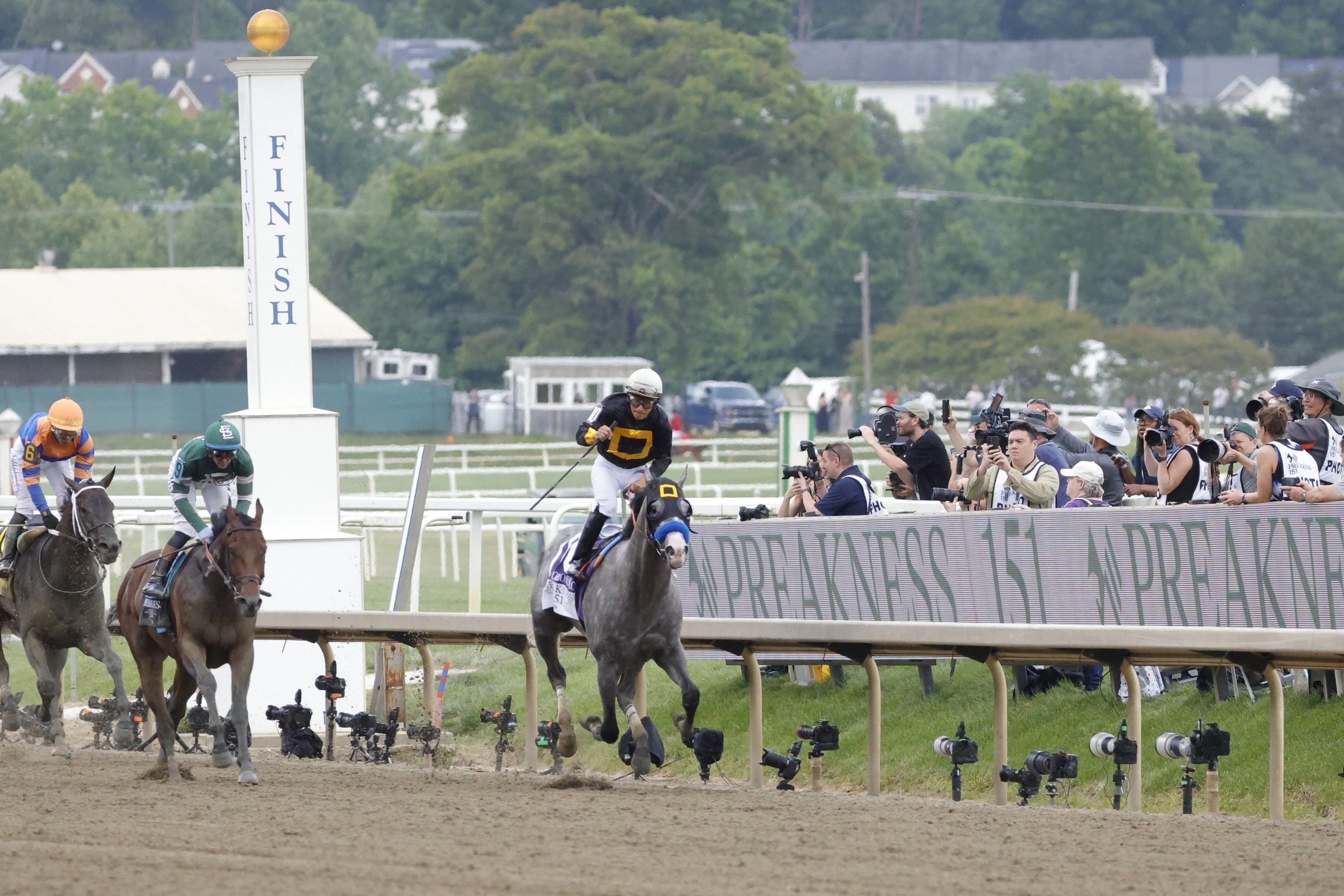
The Belmont Stakes is famous for dramatic stretch runs and surprising upsets, yet much of that excitement comes directly from the race's pace dynamics. With nine three-year-olds breaking from the gate for one and a half miles at Saratoga Race Course, the early tempo often determines which runners stay involved and which ones fade. Smaller-stakes races sometimes allow a single front-runner to set the pace. The Belmont rarely offers that luxury. Its larger fields and demanding distance often create a contested pace that tests every horse's versatility and stamina. Handicappers who learn to anticipate these scenarios gain a meaningful advantage because pace shapes the entire race narrative. Understanding how speed, positioning, and fatigue interact helps separate true contenders from horses that look strong on paper but lack the tactical profile for this unique event.
Get expert sports picks for every league and nearly every matchup on Doc’s free picks page.
How Chaotic Breaks Set the Tone
From the moment the gates open, the Belmont's field can turn a typical pace battle into a high-pressure traffic jam. Several horses with natural early speed usually vie for the lead or the rail, which pushes the opening fractions faster than most prep races. Speed types such as Powershift and Vitruvian Man are likely to move forward immediately, with Powershift expected to be sent aggressively in search of the lead as the only true pace setter in a field that is otherwise light on early speed.
Post-position realities intensify this pressure. Inside draws encourage speed horses to secure position quickly, while outside runners often rush up to avoid being caught wide. The result is frequently a demanding half-mile split near forty-five seconds or faster, far quicker than the moderate tempos seen in many graded stakes.
Because so many horses compete for limited forward spots, even slight bumping or a hesitant break can force a runner to expend extra energy to stay in touch. Handicappers must study each contender's pace profile, noting whether the horse prefers to lead, press, or settle. A field loaded with confirmed front-runners increases the likelihood of an overheated early pace that collapses late, opening the door for mid-pack types. A field with limited speed may produce a slower tempo that favors horses comfortable on or near the lead. Projecting this opening scenario begins with reviewing morning-line odds, trainer tendencies, and workout patterns that hint at intended tactics. Bettors who overlook the crowded start often back horses whose running styles cannot survive the Belmont's early intensity.
Why Early Leaders Rarely Last
Pure front-running strategies seldom succeed in the Belmont Stakes because the distance and field size punish early exertion. A horse that must fight for the lead against multiple rivals often sets fractions that are too fast to sustain and begins to tire by the far turn. Only a few wire-to-wire winners have prevailed in the modern era, and those rare cases occurred when the early pace was unusually soft or when the leader possessed exceptional tactical speed and a favorable post.
Horses like Powershift, who perform best when controlling the pace, often enter the Belmont off strong prep races where they faced less pressure. The added competition and extra ground expose the limitations of that style. Bettors who fall in love with a flashy speed figure from a gate-to-wire prep must adjust expectations once the larger field and longer distance come into play. Even talented early horses benefit from a stalking trip rather than an all-out battle for the lead. In most years, the presence of several pace factors creates a scenario where early leaders weaken under pressure and allow stalkers to take command.
Why Stalkers Hold the Most Reliable Advantage
The most successful Belmont winners in recent years have been stalkers and mid-pack runners who can settle a few lengths behind the leaders without losing position. These versatile horses avoid the early burnout that claims front-runners while staying close enough to strike once the pace begins to slow. In a nine-horse field, the ability to rate comfortably behind a contested speed duel often proves decisive because it preserves energy for the long stretch run.
Stalkers such as Renegade, Commandment, Chief Wallabee, Emerging Market, Growth Equity, and Ottinho have shown the ability to sit within striking distance while finishing strongly. They benefit from clear running room along the rail or just outside it, which allows jockeys to maintain position without losing ground on the turns.
Handicappers should prioritize horses with a history of rating kindly in fast-paced prep races and finishing with strong late fractions. This style aligns perfectly with the Belmont's typical shape: an honest early pace that sets up a decisive late kick. When multiple stalkers are entered, the race often becomes a tactical contest on the backstretch, rewarding riders who time their moves with precision as the leaders begin to tire.
When Deep Closers Become Dangerous
Deep closers face the most difficult task in the Belmont Stakes because the distance and field size make it challenging to overcome a slow start. These horses must navigate traffic on the turn and hope the early leaders collapse dramatically enough to create a path. In years when the pace is especially fast and contested, a strong closer can surge past exhausted rivals in the final furlong and turn an unlikely trip into a winning one.
Deep closers such as Golden Tempo and Vitruvian Man possess the acceleration needed to capitalize on a meltdown, but they require ideal conditions. Handicappers must evaluate whether the projected pace map suggests enough early speed from horses like Powershift to create that collapse. Without it, even the most powerful late runners struggle to make up the necessary ground.
Turning Pace Analysis Into Winning Tickets
Mastering Belmont pace scenarios comes down to disciplined projection and pattern recognition. Begin by listing each horse's preferred running style and expected position, then visualize how the race is likely to unfold based on historical Saratoga tendencies and current trainer intentions. Tools such as pace figures and running-line analysis help quantify the expected tempo as fast, moderate, or slow. The goal is to identify horses whose styles match the most probable race shape rather than simply selecting the highest-rated runner.
By focusing on pace dynamics instead of surface-level speed numbers, handicappers can turn a chaotic nine-horse scramble into a more predictable contest. The Belmont Stakes rewards those who anticipate how early speed from horses like Powershift will interact with the field size and distance, while giving stalkers like Renegade and Commandment or closers like Golden Tempo the right setup to shine. Bettors who master these scenarios consistently outperform those who rely on generic form or odds alone, transforming the Test of the Champion into an opportunity rather than a guessing game.
Get free expert sports picks on every game, or if you want our very best bets by the experts, sign up for your free $60 account with a guarantee.
Most Recent Belmont Stakes Handicapping
- 2026 Belmont Stakes Wagering Strategies and Expert Advice
- 2026 Belmont Stakes Predictions and Recommended $100 Wager
- 2026 Belmont Stakes Post Position Handicapping and Analysis
- Best Trifecta Bets for the Belmont Stakes in 2026
- 2026 Belmont Stakes Betting Trends and Expert Handicapping
- 2026 Belmont Stakes Longshots and Expert Predictions for Betting
- 2026 Belmont Stakes Pace Scenario and Expert Handicapping
- Belmont Stakes Odds - Live Horse Racing Betting Odds Updated
- 2026 Belmont Stakes Field - The Belmont Stakes Lineup is set
- 2025 Belmont Stakes Wagering Strategies